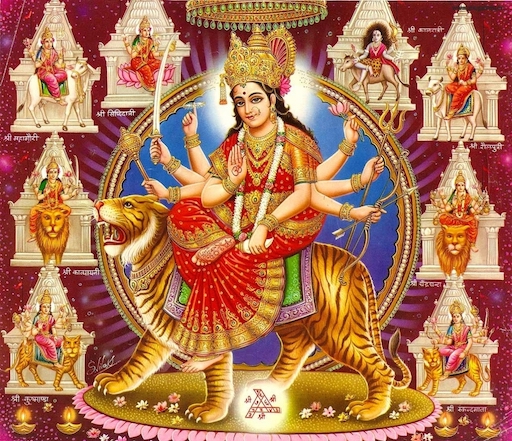
Navratri Colours 2025 : A Journey of Devotion, Positivity, and Spiritual Harmony

Hyderabad Sept 2025 : Navratri, one of the most celebrated Hindu festivals, is not just about fasting, dancing, or rituals—it is a spiritual journey honouring the nine divine forms of Goddess Durga. The festival symbolises the eternal triumph of good over evil, light over darkness, and knowledge over ignorance. In 2025, Navratri will be observed from September 22 to October 1, culminating in Dussehra on October 2, when effigies of Ravana are burnt to commemorate Lord Rama’s victory over the demon king.
What makes Navratri even more special is the tradition of Navratri colours, where each of the nine days is associated with a specific colour. Devotees embrace these colours in their attire, accessories, and even home decorations to align with the goddess’s divine energy. Wearing the day’s colour is believed to enhance positivity, strengthen devotion, and harmonise spiritual vibrations.
Let’s explore the day-wise guide to Navratri Colours 2025 and the deeper significance each holds.
Day 1 – September 22 (White for Maa Shailputri)
The festival begins with the worship of Maa Shailputri, the daughter of the Himalayas. White is chosen for the day, signifying purity, innocence, and inner calm. Donning white helps devotees invite serenity and protection, creating a peaceful start to the nine-day spiritual journey.
Day 2 – September 23 (Red for Maa Brahmacharini)
The second day honours Maa Brahmacharini, the goddess of penance and devotion. Red, the colour of sindoor, symbolises passion, strength, and vitality. Wearing red on this day energises the spirit, ignites courage, and encourages perseverance in the face of challenges.Day 3 – September 24 (Royal Blue for Maa Chandraghanta)
On the third day, devotees worship Maa Chandraghanta, known for her courage and grace. Royal blue, a colour of stability and prosperity, represents trust and emotional balance. It helps ward off negativity while instilling peace and spiritual strength.
Day 4 – September 25 (Yellow for Maa Kushmanda)
The fourth day celebrates Maa Kushmanda, believed to be the creator of the universe. Yellow, a colour of brightness and optimism, invokes joy, warmth, and positive energy. It represents divine radiance and the light that dispels ignorance.
Day 5 – September 26 (Green for Maa Skandamata)
On the fifth day, Maa Skandamata, the nurturing mother of Lord Kartikeya, is worshipped. Green signifies growth, fertility, and new beginnings. Wearing green symbolises healing, abundance, and harmony, reflecting the goddess’s motherly compassion.
Day 6 – September 27 (Grey for Maa Katyayani)
The sixth day is dedicated to Maa Katyayani, a fierce warrior goddess. Grey, a balanced colour between black and white, represents emotional stability and strength. It symbolises the ability to stay composed during challenges while embodying resilience and courage.
Day 7 – September 28 (Orange for Maa Kalaratri)
The seventh day venerates Maa Kalaratri, the destroyer of evil and darkness. Orange, with its vibrancy and warmth, evokes enthusiasm, positivity, and creativity. Wearing orange signifies fearlessness and inspires devotees to embrace transformation with energy and confidence.
Day 8 – September 29 (Peacock Green for Maa Mahagauri)
The eighth day honours Maa Mahagauri, known for her purity and compassion. Peacock green, a colour of nobility and renewal, represents prosperity, healing, and originality. It embodies divine grace and regal poise, inspiring inner balance and generosity.
Day 9 – September 30 (Pink for Maa Siddhidatri)
The final day celebrates Maa Siddhidatri, the goddess who bestows supernatural powers and blessings. Pink represents love, kindness, and harmony. It symbolises universal compassion and charm, filling devotees with a sense of completeness and spiritual fulfilment.
Beyond Colours: The Essence of Navratri
While the colours add vibrance and symbolism, Navratri’s essence lies in devotion, self-discipline, and spiritual awakening. Across India, people observe fasting, offer prayers, perform rituals, and participate in Garba and Dandiya dances, which not only celebrate culture but also foster community bonding. Temples and homes are decorated, and chants of “Jai Mata Di” echo everywhere, reinforcing collective faith.
By following the Navratri colours of 2025, devotees believe they can channel divine energy into their lives, attract positivity, and create harmony in mind, body, and soul. It is not just a festival—it is a reminder of resilience, renewal, and the everlasting victory of good over evil.
Team Maverick.






Assam’s 16th Assembly Session Begins Today; CM Unveils Key Agenda.
Guwahati; May 2026: Assam’s 16th Assembly session is set to begin today (May 21st 2026) wi…

Assam’s 16th Assembly Session Begins Today; CM Unveils Key Agenda.
Guwahati; May 2026: Assam’s 16th Assembly session is set to begin today (May 21st …