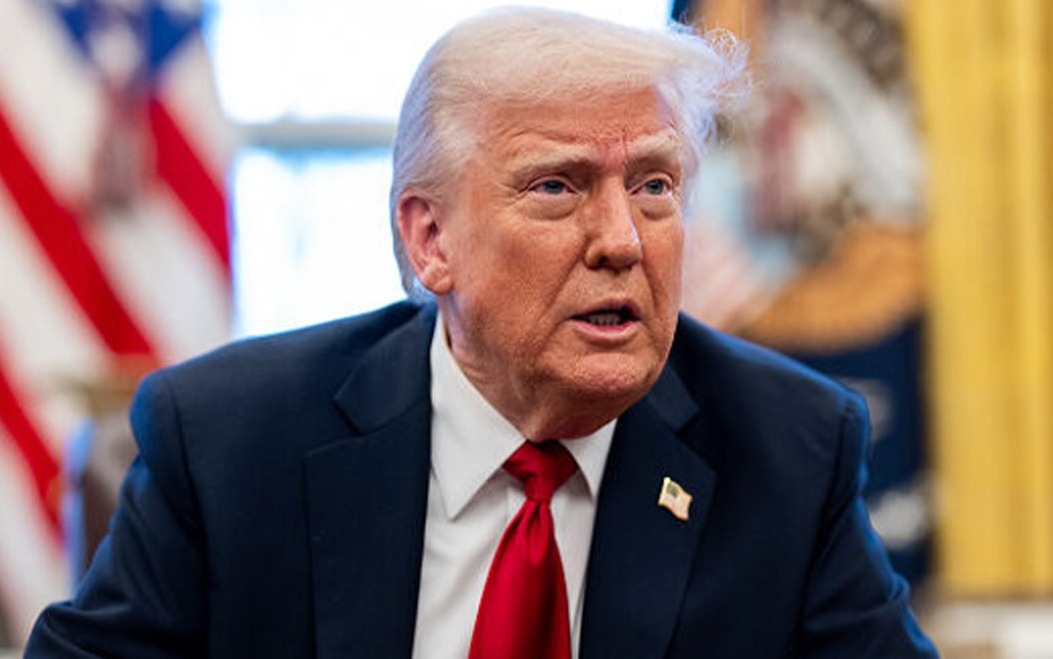
US Replaces H-1B Lottery With Weighted System to Prioritise High-Skilled, High-Paid Workers

Washington, Dec 2025 : The Trump Administration on Tuesday announced far-reaching reforms to the H-1B work visa selection process, ending the long-standing random lottery system and introducing a new weighted mechanism that prioritises higher-skilled and higher-paid foreign workers. The move marks one of the most significant changes to the programme in over two decades and is aimed at reshaping how skilled foreign labour is admitted into the United States.
According to the Department of Homeland Security (DHS), the overhaul is intended to better protect the wages, working conditions, and employment opportunities of American workers, while strengthening the overall integrity of the H-1B nonimmigrant visa programme. Officials said the revised system would align the programme more closely with congressional intent and address long-standing concerns about misuse.
“The existing random selection process of H-1B registrations was exploited and abused by U.S. employers who were primarily seeking to import foreign workers at lower wages than they would pay American workers,” said Matthew Tragesser, spokesperson for U.S. Citizenship and Immigration Services (USCIS). He added that the new approach would discourage such practices and reward employers seeking top-tier global talent.
Under the new regulation, H-1B visas will no longer be allocated through a purely random draw. Instead, registrations will be ranked and selected through a weighted process that increases the likelihood of visas being granted to higher-skilled and higher-paid foreign nationals. DHS clarified that employers across all wage levels may still submit petitions, but applications offering higher compensation and reflecting greater skill levels will have a significantly improved chance of selection.
Officials said the change is designed to curb what they described as systemic abuse of the lottery system. In recent years, some employers allegedly flooded the registration pool with large numbers of lower-skilled, lower-wage applications, crowding out higher-value petitions and undermining the programme’s original purpose. The new framework seeks to correct this imbalance while restoring public confidence in the visa category.
Despite the procedural changes, the statutory cap on H-1B visas will remain unchanged. Each year, 65,000 visas are issued under the general quota, with an additional 20,000 reserved for applicants holding advanced degrees from U.S. institutions. DHS confirmed that the weighted selection rule will apply beginning with the fiscal year 2027 H-1B cap registration season, while the final rule itself is scheduled to take effect on February 27.
The department described the reform as a critical step toward addressing wage suppression concerns raised by labour groups and policymakers. Officials emphasised that the rule does not bar employers offering lower wages from participating in the programme, but rather shifts the balance toward petitions that demonstrate higher skill requirements and competitive compensation.
“This reform aligns the H-1B programme more closely with congressional intent and prioritises American workers without eliminating access to global talent,” DHS said in a statement. The administration stressed that the goal is not to shut down the programme, but to ensure it functions as Team Maverick. intended — as a pathway for genuinely specialised and highly skilled professionals.
The move is part of a broader push by the Trump administration to overhaul the H-1B system, which has long been a flashpoint in U.S. immigration and labour policy debates. In recent months, several measures have been introduced to tighten oversight and discourage misuse of the visa category.
Among them is a Presidential Proclamation requiring employers to pay an additional $100,000 per visa as a condition of eligibility. The administration argues that this steep fee will ensure employers turn to foreign labour only when they have a legitimate need for highly skilled workers that cannot be readily sourced from the domestic workforce.
“As part of the Trump Administration’s commitment to H-1B reform, we will continue to demand more from both employers and aliens so as not to undercut American workers and to put America first,” Tragesser said.
The H-1B programme allows U.S. employers to temporarily hire foreign workers in specialty occupations that typically require at least a bachelor’s degree or equivalent expertise. It is heavily utilised by the technology sector and holds particular significance for skilled professionals from countries such as India, who make up a large share of H-1B recipients.
For years, critics of the lottery-based system argued that it failed to distinguish between high-value and low-value petitions, encouraging gaming of the system and eroding confidence among American workers. Supporters of reform say the weighted selection model is a necessary step toward restoring credibility and fairness.
However, some business groups continue to warn that overly restrictive policies could hurt innovation and reduce the competitiveness of the U.S. economy. Balancing domestic labour protections with the need to attract global talent remains a central challenge as the revamped H-1B system moves toward implementation.
(The content of this article is sourced from a news agency and has not been edited by the Mavericknews30 team.)







Delivery Of Second Indigenous Diving Support Vessel – ‘Nipun’
‘Nipun’ the second Diving Support Vessel (DSV), built by Hindustan Shipyard Limited&n…

Delivery Of Second Indigenous Diving Support Vessel – ‘Nipun’
‘Nipun’ the second Diving Support Vessel (DSV), built by Hindustan Shipyard Limited was delivered to the …