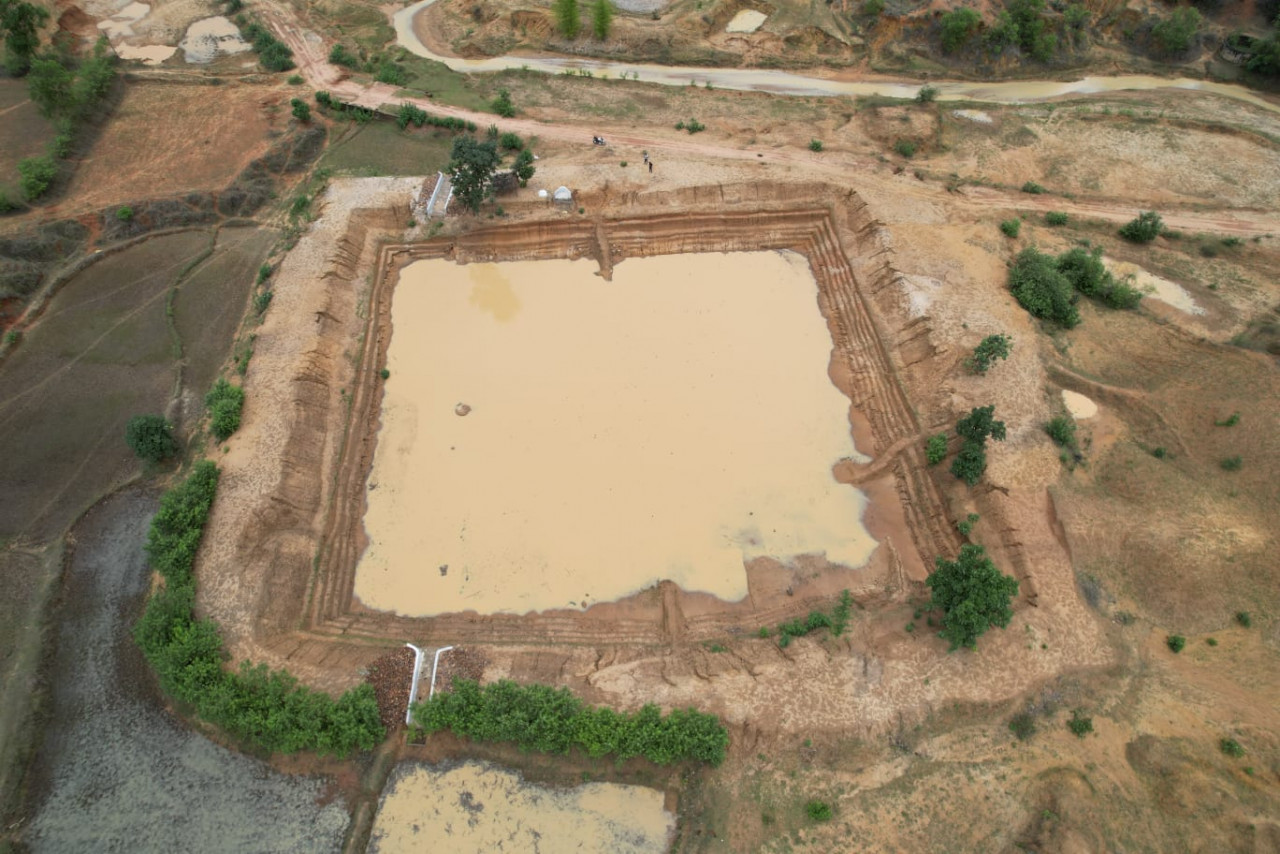
‘Mor Gaon, Mor Pani’ Mega Campaign Brings New Momentum to Water Conservation

Public Participation Lays the Foundation for Sustainable Water Security
Raipur : With the goal of addressing water scarcity and improving groundwater levels, the ‘Mor Gaon, Mor Pani’ (My Village, My Water) mega campaign is ushering in a new era of comprehensive water conservation efforts in Chhattisgarh. Pre-monsoon desilting of natural drains has improved water flow, reducing waterlogging and waterborne diseases. In addition, tree plantations of native species such as neem, peepal, karanj, and bamboo have been carried out near panchayat buildings, schools, roads, and open spaces to promote environmental conservation.
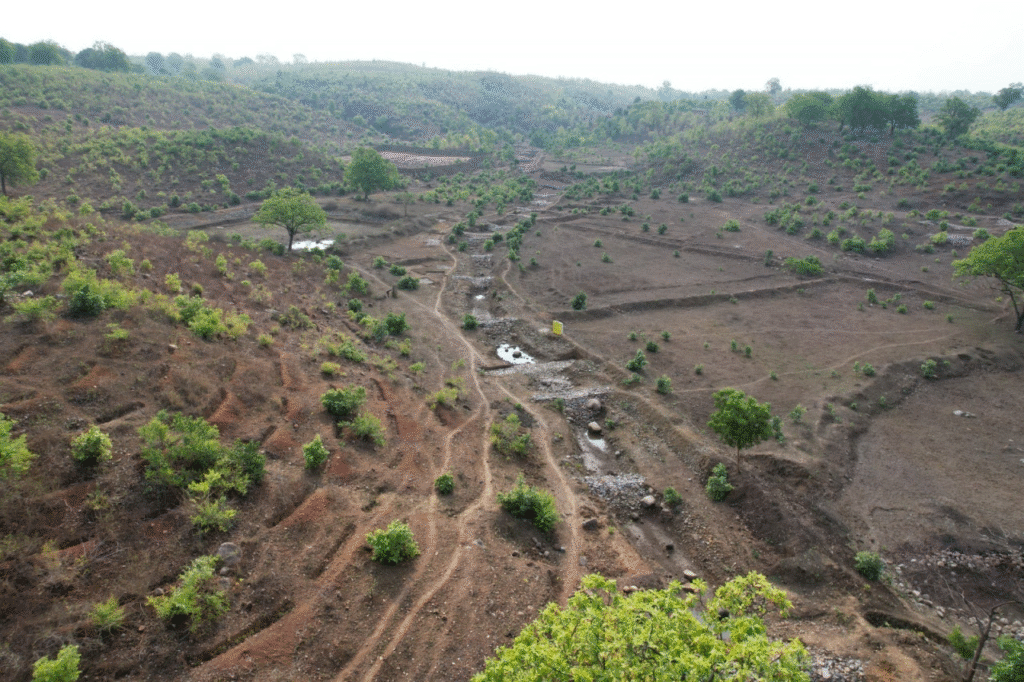
This initiative is now visibly delivering positive outcomes like a rise in groundwater levels and reduced soil erosion, establishing itself as a milestone in the district’s water security efforts.
Launched under the guidance of the district administration, the campaign is being implemented efficiently across Surajpur district. CEOs at district and block levels have been appointed as nodal officers, supported by selected Block Resource Persons. Field staff were trained at the village, block, and district levels to ensure seamless execution.
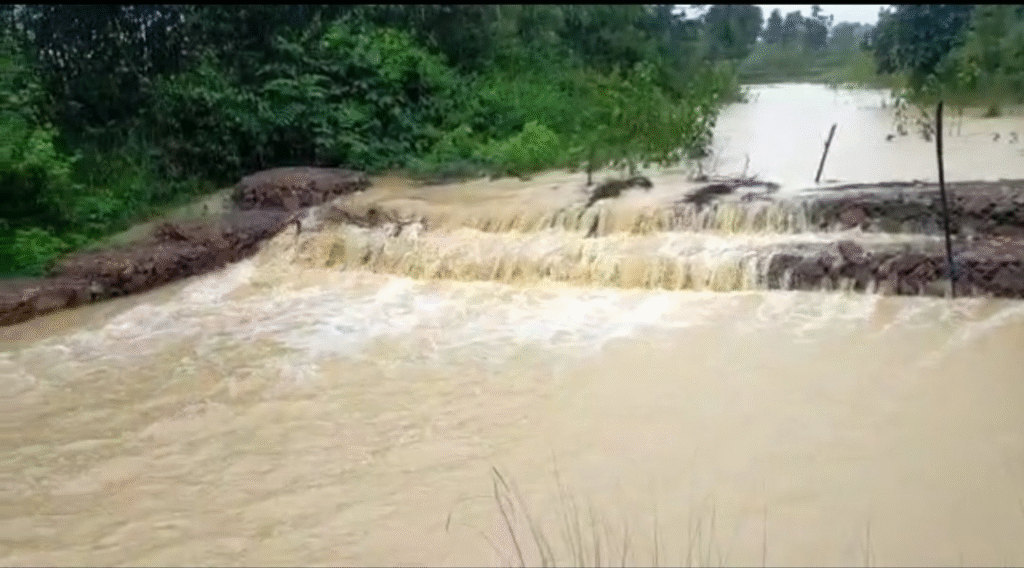
A total of 64 drains were surveyed in the district, out of which 18 were identified as model drains and area-specific action plans were prepared. Using Participatory Rural Appraisal (PRA) methods, natural resource management plans were integrated into the Gram Panchayat Development Plan and aligned with existing government schemes.
The works have been included in the MGNREGA labour budget to generate employment, with approvals granted through the ‘SECURE’ portal. Under the campaign, construction of 4,932 water conservation structures is underway, including:
- 55 contour trenches
- Tree plantation at 34 sites
- 2,520 gully plugs
- 855 loose boulder check dams
- 12 wells
- 43 gabion structures
- 20 underground dykes
- 1,289 farm ponds
- 67 earthen dams
- 9 check dams
- 28 Amrit Sarovars (sacred water bodies)
These structures aim to harvest rainwater and recharge groundwater by preventing runoff during the monsoon.
Advanced Geographic Information System (GIS) technology has been employed to design these interventions based on the “ridge-to-valley” principle, ensuring optimal rainwater storage. Alongside, public cooperation and shramdaan (voluntary labour) have accelerated activities related to water conservation and sanitation.
Local residents, elected representatives, government staff, and NGOs have actively participated. Soak pits have also been constructed at homes and public places to manage wastewater and promote groundwater recharge.
This collaborative effort is not only reinforcing water security but also contributing to sustainable livelihoods for local communities, embodying the spirit of public welfare through public participation.



Defence Minister Reaches Visakhapatnam Ahead Of The Commissioning Of INS Taragiri and Aridhaman.
Visakhapatnam; April 2026: Defence Minister Rajnath Singh today landed in Visakhapatnam to…

Defence Minister Reaches Visakhapatnam Ahead Of The Commissioning Of INS Taragiri and Aridhaman.
Visakhapatnam; April 2026: Defence Minister Rajnath Singh today landed in Visakhapatnam to attend the …