CM’s Support Boosts Tadoba Rewilding Project; MoU Signed with Zerodha and Farmers for Forests

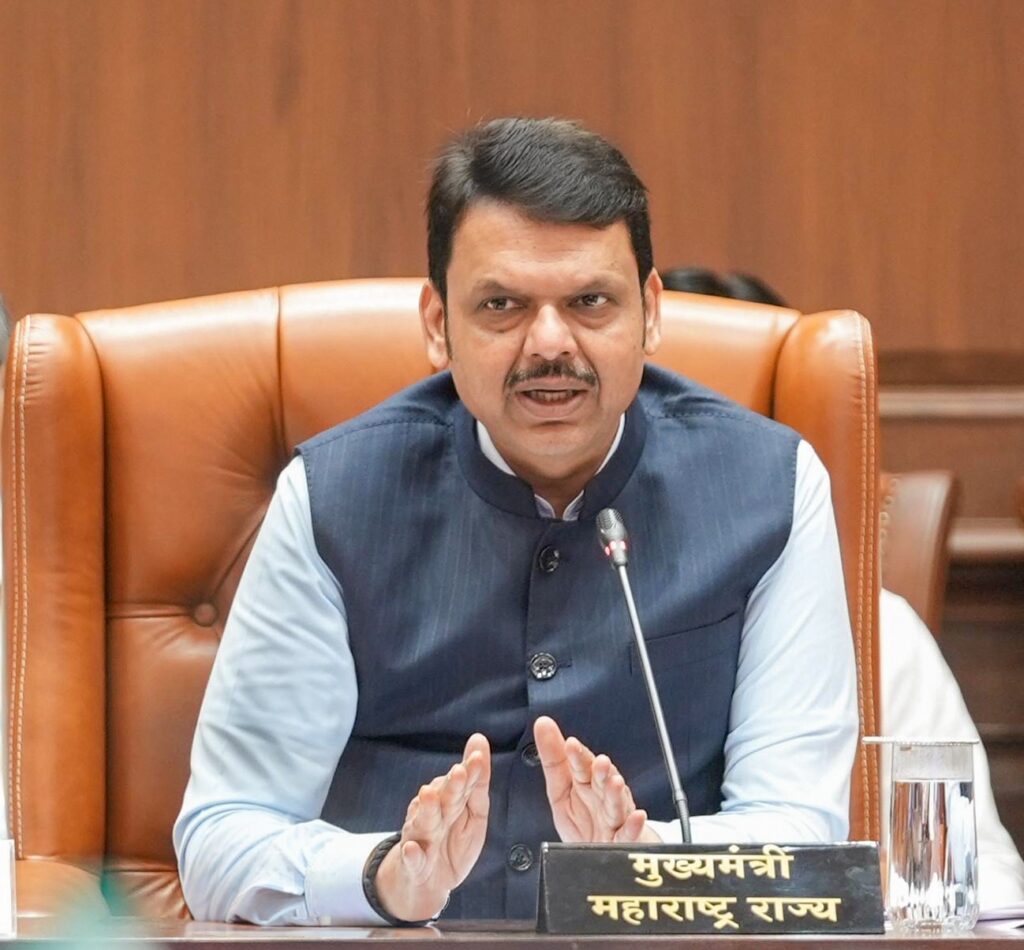
Mumbai, April 2026: With the backing of the Chief Minister, the environmental restoration (rewilding) project in the Tadoba Andhari Tiger Reserve area has gained momentum. The Forest Department of the Maharashtra government has signed a Memorandum of Understanding (MoU) with Zerodha and the conservation partner Farmers for Forests to implement the project. Encouraged and supported by Chief Minister Devendra Fadnavis, this initiative is set to play an important role in long-term ecological restoration and climate resilience.
This initiative will be the first comprehensive landscape restoration project in the state that takes into account various land types such as protected forests, community land, agricultural areas, grasslands, and water resources. Scientific measures tailored to each land type will be implemented to restore ecosystems, enhance biodiversity, and strengthen human-wildlife coexistence.
A Key Biodiversity Hub
The Tadoba-Andhari Tiger Reserve in Chandrapur district is considered the oldest and largest tiger reserve in Maharashtra. Spread across approximately 1,727 square kilometres, it includes core and buffer zones of southern tropical dry deciduous forests. The reserve has a significant tiger population, with estimates suggesting more than 80 tigers in the protected area. Over the past decade, the number of tigers in the region has increased substantially.
Apart from tigers, the reserve is home to leopards, wild dogs (dholes), bears, gaur, various deer species, snakes (including the endangered Indian python), and over 195 species of birds. This makes the region extremely important for biodiversity conservation in central India.
However, the rise in tiger numbers and the presence of human settlements in the buffer zones have increased instances of human-wildlife conflict. Development activities have also led to habitat fragmentation. This has highlighted the need for integrated and community-focused restoration initiatives.
Key Features of the Rewilding Project
Under the MoU, the following objectives will be achieved:
- Restoration of over 800 acres of degraded land around the protected area
- Creation of more than 15,000 rural employment days through restoration activities, community nurseries, and ecological monitoring
- Plantation and conservation of over 100 native species of trees, shrubs, and grasses to support prey species and other wildlife
The project is not limited to traditional tree plantation. It focuses on restoring natural ecological processes, increasing habitat complexity, and enabling wildlife to move freely across diverse landscapes.
This initiative is expected to benefit wildlife, local communities, and the climate. By working in a coordinated manner across different land types, it aims to address the root causes of habitat degradation and build long-term ecological resilience.
Part of Broader Regional Conservation Efforts
The project will complement ongoing conservation efforts in eastern Maharashtra. Since 2021, Farmers for Forests has been working across nearly 2 lakh hectares of forest, agricultural, and community land. Their efforts include forest protection, afforestation, community engagement, awareness campaigns through street plays, fire management, distribution of energy-efficient stoves, and habitat improvement to reduce human-wildlife conflict.
The new partnership will enhance institutional capacity and technical resources, giving a fresh boost to ecological restoration efforts in the Tadoba region.
Zerodha’s Long-Term Environmental Commitment
Zerodha contributes 10 per cent of its total revenue to social and environmental initiatives. Through the Rainmatter Foundation, established in 2020, the company supports climate action, ecosystem restoration, sustainable livelihoods, and collaborative efforts across sectors.
In 2025, on its 15th anniversary, Zerodha announced the “Zerodha Rewilding Fund” with an allocation of Rs 100 crore to restore degraded landscapes across the country. This fund, implemented with the support of the Rainmatter Foundation, aims to promote large-scale rewilding initiatives. The Tadoba-Andhari Tiger Reserve project is one of the key initiatives being undertaken under this fund.




More Than a Café: How MITTI Café is Brewing Hope, Dignity and Dreams at Rashtrapati Nilayam
Hyderabad, July 2026 : Tucked away inside the serene campus of Rashtrapati Nilayam in Boll…

More Than a Café: How MITTI Café is Brewing Hope, Dignity and Dreams at Rashtrapati Nilayam
Hyderabad, July 2026 : Tucked away inside the serene campus of Rashtrapati Nilayam in …